Bilingual Children: Language Development and Emotional Adjustment
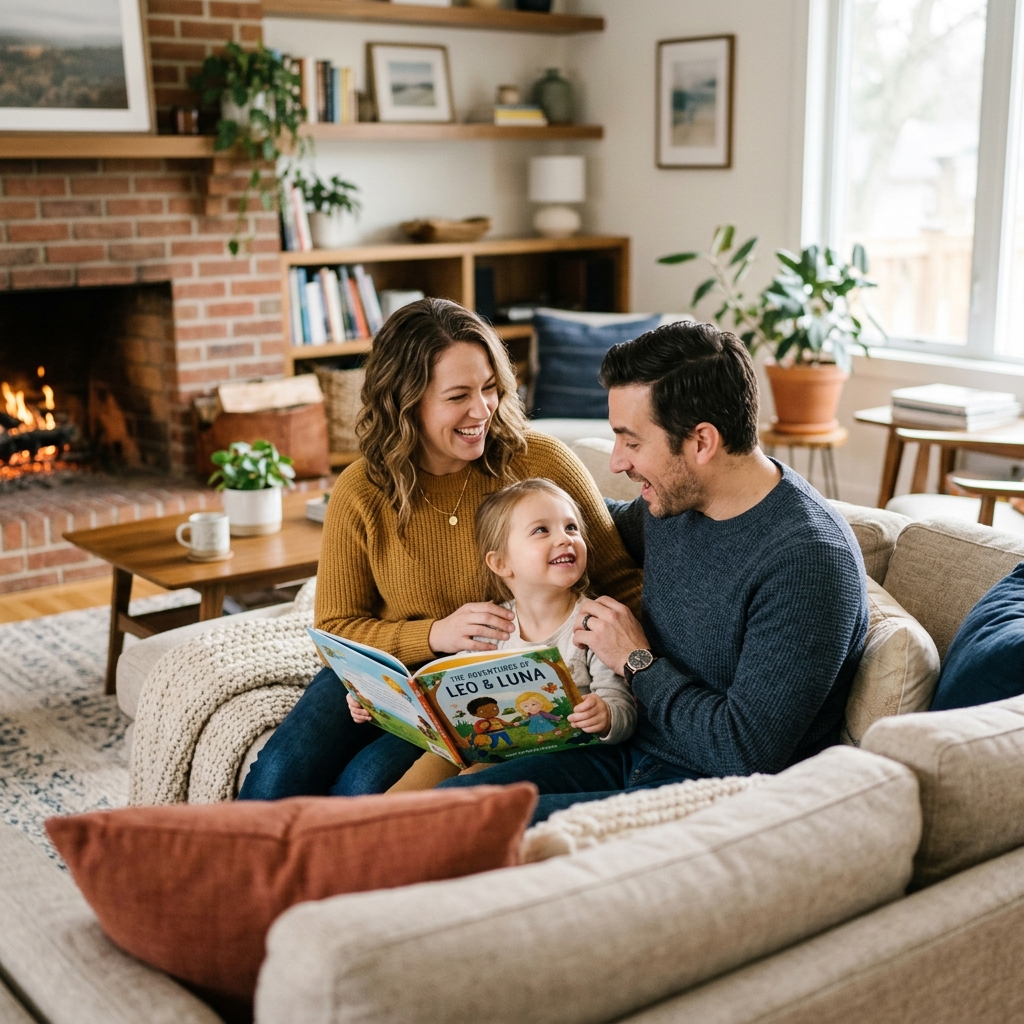
Bilingual children are not simply learning two sets of words. They are learning how to belong in more than one environment. For Turkish-speaking families in Budapest, children may use Turkish at home, Hungarian or English at school, and a mixture of languages with friends. This can be a strength, but it also needs patient support.
Is Bilingualism Confusing for Children?
Research and clinical observation show that growing up with two languages does not harm development. Children may mix languages for a period, answer in one language while understanding another, or use different words in different contexts. These patterns are usually part of bilingual development, not a sign of confusion.
Protect the Home Language
Turkish remains important even when school life happens in another language. A strong home language supports family connection, emotional expression, storytelling, and identity. Children need a language in which they can say not only what happened, but how they felt about it.
Support Without Pressure
Language learning becomes harder when children feel tested all the time. Instead of correcting every sentence, parents can model the correct version naturally, read together, name emotions, and create relaxed conversation routines. Warm repetition works better than constant performance pressure.
Emotional Signs to Watch
Some children become quiet when they are worried about making mistakes. Others may refuse to speak one language or become frustrated after school. Parents can observe:
- Avoiding conversations in one language
- Frequent shame or anger around speaking
- School anxiety connected to communication
- Withdrawal from peers or family conversations
Practical Home Strategies
Daily routines create powerful language practice. Read Turkish books, talk during meals, call relatives, describe feelings, and let your child tell stories without rushing. If your child answers in another language, continue the conversation calmly. The goal is connection first, accuracy second.
Conclusion
Bilingual development is a long process. With patient support, children can build both language skills and emotional confidence. Turkish-speaking families in Hungary can protect the home language while helping children feel capable in school and social life.

Akın Öznazik
Child psychology specialist. Experienced in ADHD, autism spectrum disorders, and behavioral issues. Works with families to support children's healthy development.
More Information